
While occasional chilly toes are perfectly normal,
especially in cooler weather, feet that are always cold, even when the
rest of the body feels warm, may indicate an underlying health condition that
warrants medical evaluation. Understanding the potential causes of chronically
cold feet is the first step toward finding relief and protecting long-term
vascular health.
Common Causes of Cold Feet
Several factors can contribute to the sensation of having cold
hands and feet. Some are benign and easily addressed, while others require
medical intervention.
Poor Circulation in Feet
One of the most common reasons people experience
persistently cold extremities is poor circulation in the feet. When blood
flow to the lower extremities is compromised, tissues do not receive
adequate oxygen and warmth. Signs of poor circulation in the feet may
include temperature changes, skin discoloration, numbness, and tingling
sensations. Patients often ask, "Why is my body warm, but my feet are
cold?" This discrepancy typically points to a localized circulatory
issue rather than a systemic problem.
Peripheral Artery Disease (PAD)
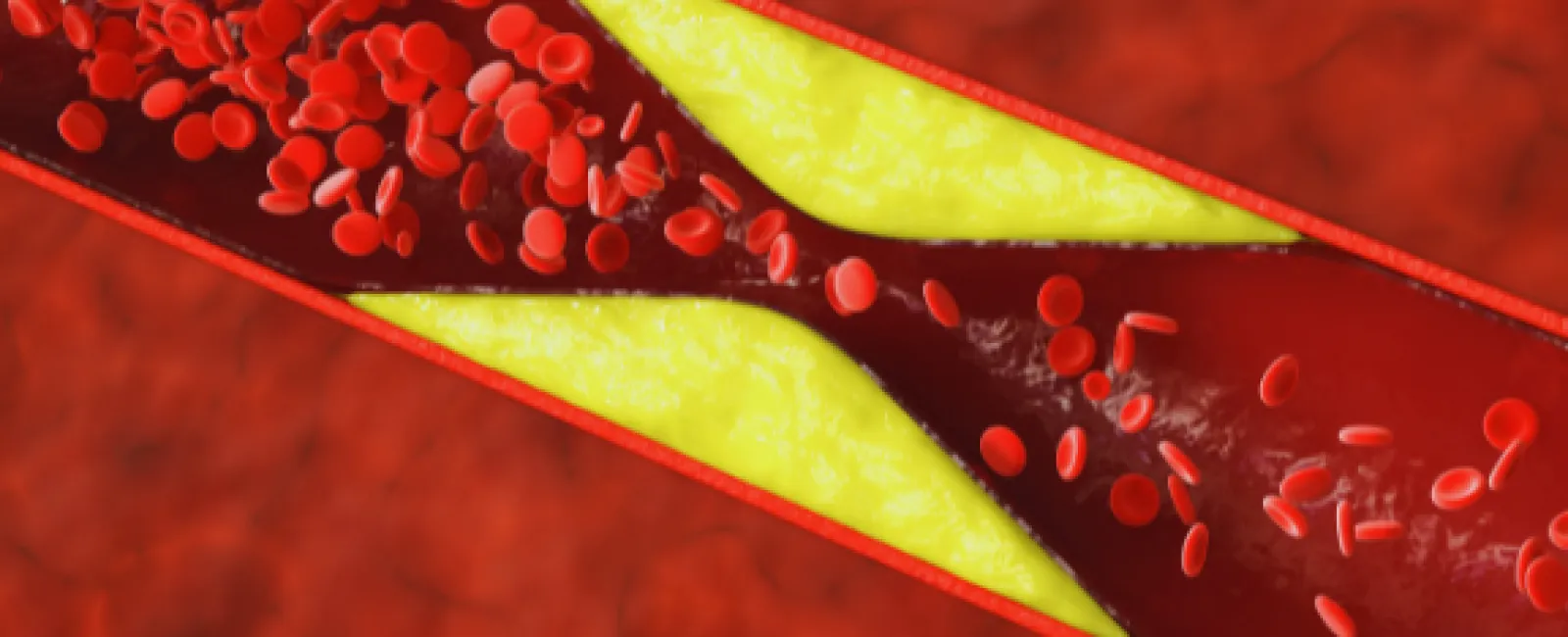
Peripheral artery disease is a vascular condition that develops
when fatty deposits (plaque) accumulate inside the arteries, restricting blood
flow to the legs and feet. PAD symptoms often begin subtly and may
include cold feet, leg pain or cramping during physical activity (relieved by
rest), slow-healing wounds on the lower extremities, and changes in skin color
or texture. Many patients are unaware that their cold feet stem from
arterial blockages until the disease has progressed.
The symptoms of peripheral artery disease should not
be dismissed as normal aging. Left untreated, PAD increases the risk of heart
attack, stroke, and limb amputation. Early detection through vascular screening
can identify blockages before they cause irreversible damage.
Diabetes and Circulatory Complications
Individuals with diabetes face an elevated risk of
developing circulatory problems. High blood sugar levels can damage blood
vessels over time, leading to reduced blood flow and nerve damage (diabetic
neuropathy). This combination often results in cold feet at night,
numbness, and difficulty sensing temperature changes, putting patients at
greater risk for undetected injuries and infections.
Anemia and Nutritional Deficiencies
When patients inquire about what deficiency causes cold
feet, iron deficiency is frequently the answer. Anemia reduces the
number of healthy red blood cells available to transport oxygen
throughout the body. Without sufficient oxygen delivery, extremities may feel
persistently cold. Vitamin B12 deficiency can produce similar symptoms and is
particularly common in older adults and those following plant-based diets.
Thyroid Dysfunction
An underactive thyroid (hypothyroidism) slows
metabolism and can impair the body's ability to regulate temperature. Patients
with thyroid disorders frequently report feeling cold throughout the body, with
particular sensitivity in the hands and feet. A simple blood test can determine
whether thyroid function is contributing to temperature regulation issues.
Warning Signs That Require Medical Attention
Determining whether cold feet are a sign of a particular
condition depends on accompanying symptoms. Seek evaluation from a vascular
specialist if cold feet are accompanied by:
- Persistent leg
pain or cramping when walking
- Skin changes such as
discoloration, shiny texture, or hair loss on the legs
- Wounds or sores on the feet that
heal slowly or fail to heal
- Numbness or tingling that does
not resolve
- Noticeable differences in
temperature or pulse between the two legs
How to Improve Circulation in Feet
For those seeking guidance on improving foot circulation,
lifestyle modifications can make a meaningful difference. Regular physical
activity promotes healthy blood flow and strengthens the cardiovascular system.
Smoking cessation is critical, as tobacco use damages arterial walls and
accelerates plaque buildup. Maintaining a healthy weight, managing blood sugar
and cholesterol levels, and staying well-hydrated also support optimal vascular
function.
However, when poor circulation in the feet stems
from arterial disease, lifestyle changes alone may not be sufficient.
Professional vascular evaluation can determine whether intervention is
necessary to restore adequate blood flow.
How Advanced Vascular & Vein Treats PAD
At Advanced Vascular & Vein, the board-certified
vascular specialists utilize advanced, minimally invasive procedures to treat peripheral
artery disease and restore healthy circulation. Two primary treatment
options are available for patients with PAD:
Angioplasty
Angioplasty is a minimally invasive procedure that opens
narrowed or blocked arteries to improve blood flow. During the procedure, a
small balloon is guided to the site of the blockage and inflated to compress
plaque against the artery walls. In some cases, a stent (a small mesh tube) is
placed to help keep the artery open long-term. Angioplasty requires no large
incisions, and most patients return to normal activities within days.
Atherectomy
Atherectomy takes a different approach by physically
removing plaque buildup from inside the artery. Using specialized
catheter-based tools, vascular specialists can shave, sand, or laser away the
hardened deposits that restrict blood flow. This technique is particularly
effective for heavily calcified blockages and can be combined with angioplasty
for optimal results.
Both procedures are performed at Advanced Vascular &
Vein's Atlanta-area locations, allowing patients to recover in the comfort of
their own homes.
Schedule a Vascular Evaluation
Chronically cold feet should not be ignored. Early
diagnosis and treatment of circulatory conditions like PAD can prevent serious
complications, preserve mobility, and improve quality of life. The specialists
at Advanced Vascular & Vein offer vascular screenings and personalized
treatment plans for patients throughout the Atlanta metropolitan area.
To schedule a consultation, contact Advanced Vascular &
Vein at 678-284-2573 or visit one of the convenient clinic locations in
Alpharetta, Decatur, or Sandy Springs.